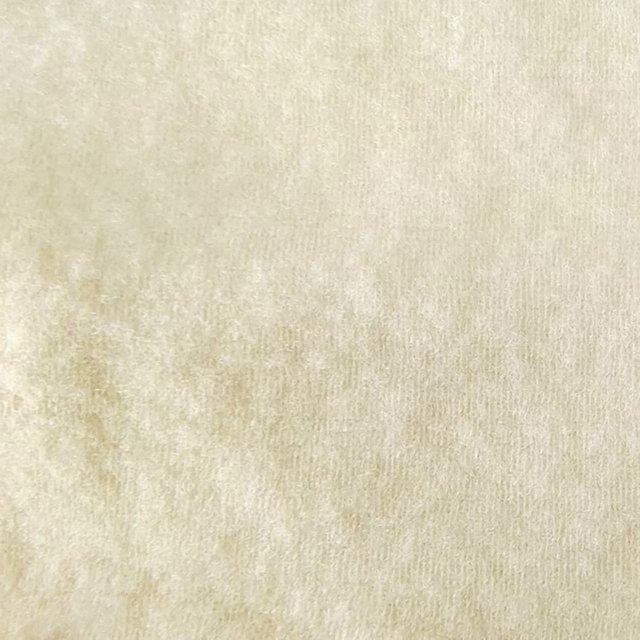
Merino Wool
What Is Merino Wool
Each fiber has a natural crimp that creates tiny air pockets, giving merino wool its ability to regulate temperature and manage moisture. It can absorb up to 35% of its weight in water vapor without feeling damp, while its outer layer naturally repels liquid water.
Why Merino Wool Is Ideal For Baby Diapers
A natural fiber that manages heat, moisture and odor better than synthetic alternatives.


Fabric Type
Is merino wool too hot for summer?
No. Merino wool actively regulates temperature—it cools in hot weather by releasing moisture vapor, and warms in cold weather by trapping insulating air. It is significantly more breathable than synthetic PUL covers and suitable for year-round use in any climate.
Will merino wool irritate my baby’s skin?
High-quality merino wool with fiber diameter of 17–18 microns will not itch or irritate. Merino fibers are far finer than regular wool and bend softly against the skin. Clinical studies have shown that merino wool can actually reduce eczema symptoms in infants.
How often do I need to wash a merino wool diaper cover?
Typically every 2–3 weeks unless soiled. Between uses, simply air the cover out. The natural antimicrobial properties of wool neutralize odors and keep the cover fresh without frequent washing.
Are merino wool diaper covers truly waterproof?
When properly lanolized, merino wool covers are highly water-resistant and effectively prevent leaks. They are not 100% waterproof like PUL, but their breathability and moisture management make them superior for overnight use and for babies prone to rash.
Is merino wool sustainable?
Yes. Merino wool is a 100% natural, renewable, and biodegradable fiber. Sheep produce a new fleece annually, and the wool decomposes naturally at end of life. Choosing wool over synthetic materials reduces dependence on petroleum-based products and landfill waste.
Why add spandex to merino wool?
The 4% spandex in our merino fabric blend provides essential stretch and recovery. Pure wool can lose its shape over time, especially with the frequent stretching that diaper covers undergo. Spandex ensures a snug fit around your baby’s legs and waist, preventing gaps and leaks while maintaining comfort.
Fabric Type
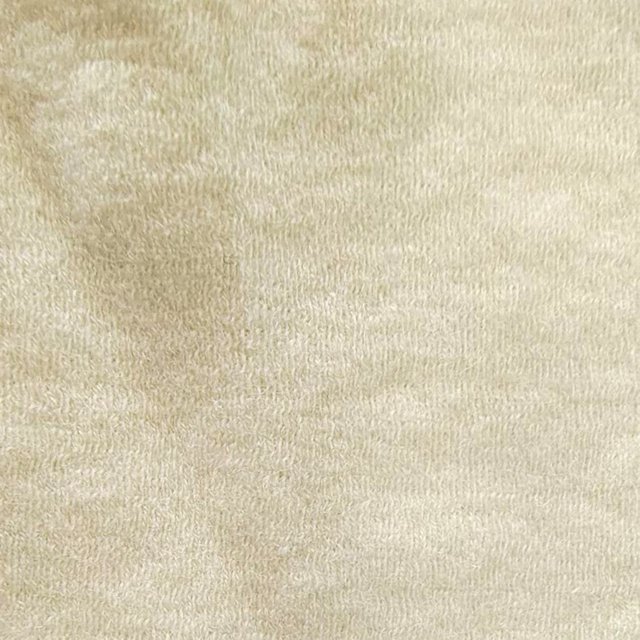
96% Merino Fine Wool 4% Spandex